
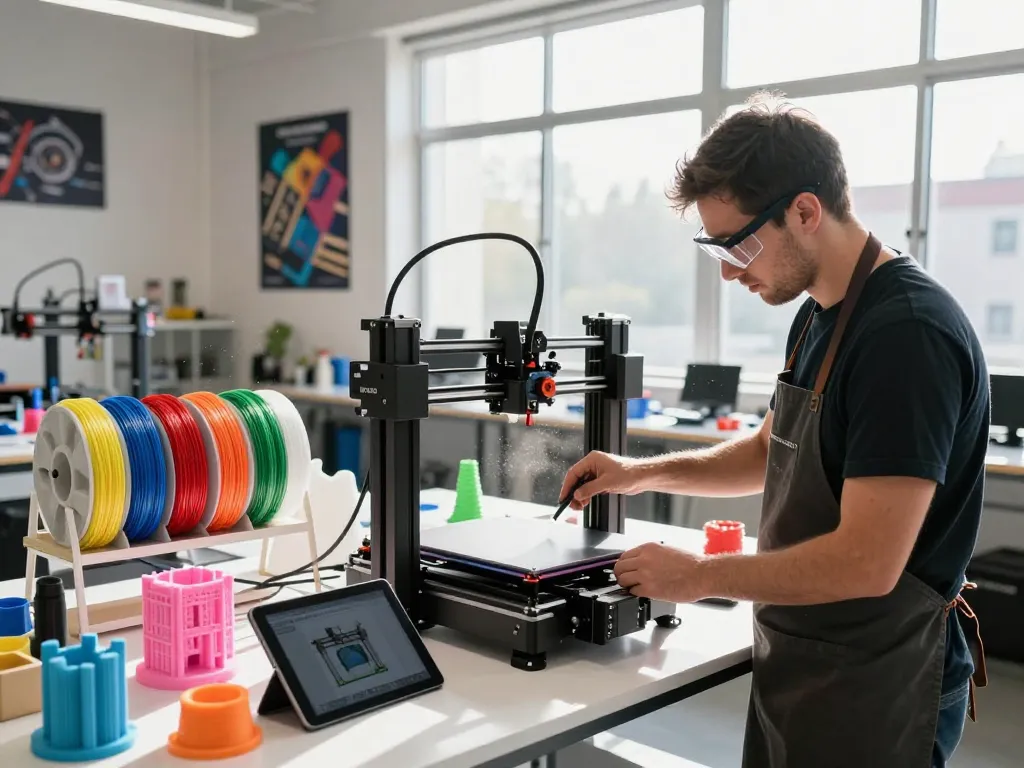
Understanding 3D Printing Technology
3D printing, also known as additive manufacturing, has revolutionized the way we think about production and design. This innovative technology builds three-dimensional objects from digital models, allowing for unprecedented customization and efficiency. By layering materials, 3D printing enables the creation of complex shapes and structures that traditional manufacturing methods cannot achieve. In an era where rapid prototyping and personalization are becoming vital across industries, understanding the fundamentals of 3D printing is essential for both enthusiasts and professionals alike.
What is 3D Printing?
At its core, 3D printing is a process that creates a physical object from a digital design, typically a CAD (computer-aided design) file. The process involves laying down successive layers of material until the object is complete. This method allows for intricate details to be achieved easily, making it popular in various fields, from automotive to healthcare. The versatility of 3D printing means it can utilize different materials, including plastics, metals, and even biological substances, offering unique solutions to complex challenges.
The History and Evolution of 3D Printing
The origins of 3D printing date back to the early 1980s, with the invention of stereolithography (SLA) by Chuck Hull. Since then, the technology has rapidly evolved, leading to various techniques such as fused deposition modeling (FDM) and selective laser sintering (SLS). Each advancement has expanded the range of applications and improved the precision and speed of 3D printing. Today, 3D printing is recognized not just as a prototyping tool but as a viable production method across multiple industries, significantly impacting design and manufacturing processes.
Key 3D Printing Techniques and Processes
There are several key techniques used in 3D printing, each suitable for different applications:
- Stereolithography (SLA): Utilizes a UV laser to cure resin layer by layer.
- Fused Deposition Modeling (FDM): Melts plastic filaments and extrudes them to create layers.
- Selective Laser Sintering (SLS): Uses a laser to fuse powdered material, creating durable parts.
- Digital Light Processing (DLP): Projects light onto resin to cure it rapidly, enabling faster production.
Each of these techniques offers distinct advantages, allowing manufacturers to choose the most effective method for their specific needs.
Applications of 3D Printing
From custom prosthetics to aerospace components, 3D printing is making waves across various industries. Its adaptability allows organizations to streamline production processes and reduce waste, making it an attractive option for businesses aiming to innovate.
3D Printing in Industries: Healthcare, Aerospace, and More
In healthcare, 3D printing is being used to create patient-specific implants and prosthetics, greatly improving surgical outcomes and patient comfort. Similarly, in the aerospace industry, companies are implementing 3D printing to manufacture lightweight components, which enhance fuel efficiency and reduce costs. Industries such as automotive and construction are also leveraging this technology for both prototyping and final production components, illustrating the broad applicability of 3D printing solutions.
Choose the Right 3D Printing Projects for Your Needs
When selecting 3D printing projects, it’s crucial to consider factors such as material properties, complexity, and intended use. Beginners may start with simpler designs, while advanced users can explore more complex structures that showcase the technology’s full potential. Understanding the capabilities and limitations of your chosen method will guide your project selection and ensure successful outcomes.
Real-World Examples of 3D Printing Innovations
Numerous companies and individuals have harnessed the power of 3D printing to create remarkable innovations:
- Human Organs: Research teams are pioneering 3D bioprinting techniques to create functional human organs for transplantation.
- Fashion Accessories: Designers are utilizing 3D printing to create unique, customizable jewelry and footwear.
- Construction: Companies are developing 3D-printed homes, significantly reducing build time and labor costs.
These examples illustrate 3D printing’s potential to disrupt traditional industries and catalyze advancements in technology and design.
Choosing the Right 3D Printing Materials
The choice of material in 3D printing can profoundly affect the final product’s strength, durability, and functionality. Understanding materials is therefore critical for successful 3D printing projects.
Overview of Commonly Used 3D Printing Materials
Common materials used in 3D printing include:
- PLA (Polylactic Acid): A biodegradable plastic ideal for beginners, used widely for prototyping.
- ABS (Acrylonitrile Butadiene Styrene): Known for its strength and heat resistance, making it suitable for functional parts.
- Nylon: Offers excellent flexibility and durability, perfect for mechanical parts.
- Resins: Used in SLA printing for high-detail applications, particularly in jewelry and dental sectors.
Material Properties: What to Consider for Your Projects
When choosing materials, consider factors such as:
- Strength: Required for functional parts or mechanical applications.
- Flexibility: Necessary for parts that need to bend or flex without breaking.
- Temperature Resistance: Essential for parts that will be exposed to heat.
Understanding these properties will help you select the most suitable materials for your specific needs and applications.
Future Materials in 3D Printing: Trends for 2026
The future of 3D printing materials is bright, with ongoing research into new composites and bio-based materials. Trends indicate a rise in sustainable materials, such as recycled plastics and bio-resins, appealing to eco-conscious consumers and businesses. Additionally, the development of multi-material printing techniques will enable the creation of complex objects with diverse properties, broadening the scope of applications for 3D printing technology.
Challenges and Considerations in 3D Printing
While 3D printing offers numerous benefits, it also presents unique challenges that users must navigate to ensure successful projects.
Common Challenges Faced by 3D Printing Enthusiasts
Some common challenges include:
- Warpage: A common issue where parts deform during printing due to thermal contraction.
- Layer Adhesion: Sometimes, layers may not bond properly, leading to weak points in the final product.
- Print Failures: Various factors can lead to print failures, including incorrect settings and environmental conditions.
Expert Tips for Overcoming 3D Printing Obstacles
To mitigate these challenges, consider the following tips:
- Optimize Settings: Regularly calibrate your 3D printer and adjust settings such as temperature and print speed based on the material used.
- Use Supports: Incorporate support structures for complex geometries to prevent sagging.
- Maintain Equipment: Keep your printer clean and well-maintained to reduce the likelihood of errors.
Cost Analysis: Is 3D Printing Worth It?
Determining whether 3D printing is cost-effective depends on various factors, including initial setup costs, material expenses, and production scale. While hobby-grade printers may require a lower initial investment, professional-grade equipment can be significantly pricier, reflecting their higher performance and capabilities. Additionally, consider operational costs such as materials, maintenance, and labor. Often, for low-volume production or highly customized products, 3D printing proves to be an economical choice.
The Future of 3D Printing
The landscape of 3D printing is poised for remarkable growth in the coming years. Emerging technologies and innovative applications are redefining how we approach design and production.
Emerging Trends in 3D Printing Technology for 2026
In 2026, expect to see advancements in areas such as:
- Artificial Intelligence: Integrating AI with 3D printing will enhance design processes and optimize printing efficiency.
- On-Demand Manufacturing: The rise of decentralized factories using 3D printing for localized production will change supply chains.
- Healthcare Solutions: Further exploration of bioprinting could lead to breakthroughs in personalized medicine.
Predictions for the Growth of 3D Printing Industries
Analysts predict substantial growth in the 3D printing market, with applications expanding across sectors such as automotive, healthcare, and consumer goods. As technology becomes more accessible and affordable, small businesses and startups will increasingly adopt 3D printing for prototyping and low-volume manufacturing.
Preparing for the Future: Skills and Knowledge You’ll Need
As 3D printing technology evolves, staying current with advancements is crucial. Individuals interested in pursuing careers in this field should focus on:
- Design Skills: Proficiency in CAD software will remain essential for creating 3D models.
- Technical Knowledge: Understanding material properties and printer mechanics is vital for troubleshooting and optimization.
- Industry Trends: Keeping abreast of trends and innovations in 3D printing will enable you to leverage new opportunities.
What Are the Advantages of 3D Printing?
3D printing delivers numerous advantages, including:
- Customization: Tailor products to specific needs without incurring additional costs.
- Reduced Waste: Additive manufacturing minimizes material waste compared to subtractive processes.
- Speed: Rapid prototyping allows for quicker iterations in product design.
How Do I Start My 3D Printing Journey?
To begin your 3D printing journey, start with the following steps:
- Research: Understand the different types of 3D printers and materials available.
- Purchase a Printer: Invest in a printer that suits your budget and project needs.
- Learn 3D Design: Familiarize yourself with CAD software and practice creating models.
What Industries Benefit Most from 3D Printing?
Industries reaping the rewards of 3D printing include:
- Healthcare: Customized implants and prosthetics enhance patient outcomes.
- Aerospace: Lightweight components improve efficiency and reduce costs.
- Consumer Goods: Personalized products create unique consumer experiences.
Can I Use 3D Printing for Home Projects?
Absolutely! Many hobbyists and DIY enthusiasts use 3D printing for home projects, ranging from custom home decor to functional tools. The accessibility of 3D printers at various price points makes it feasible for individuals to explore their creativity.
What Are the Costs Associated with 3D Printing?
The costs of 3D printing can vary widely, depending on factors such as printer quality, material choice, and project complexity. Hobbyist setups can range from a few hundred to a few thousand dollars, while industrial systems may run into tens of thousands. Material costs also play a significant role, with prices dependent on the type of material and volume used.