
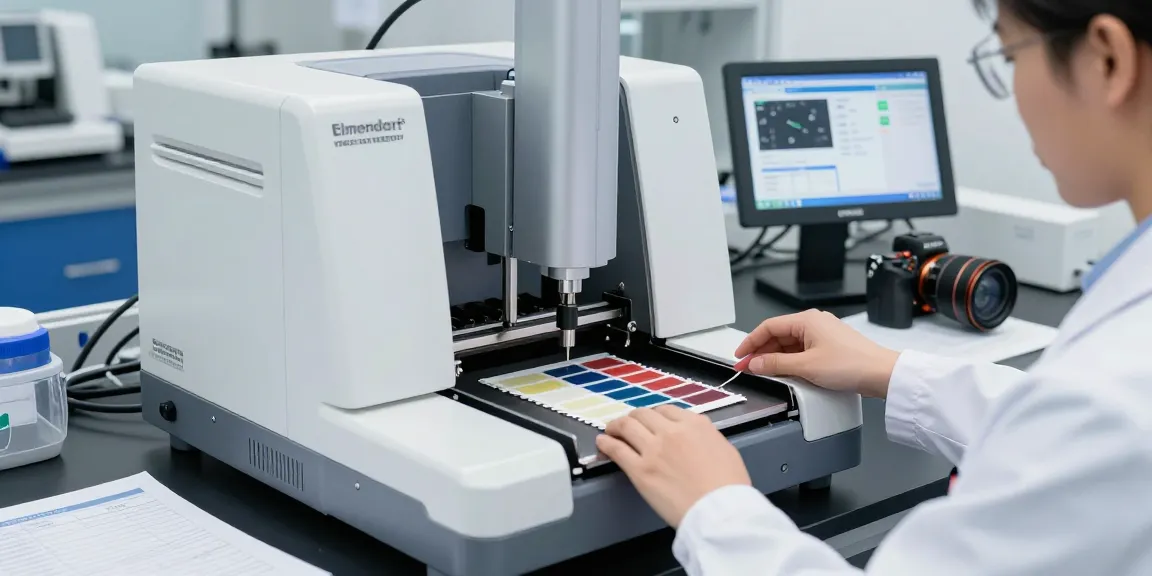
Understanding the Elmendorf Tear Strength Tester
The elmendorf tear strength tester is an essential instrument used in material testing to determine the tearing strength of various materials such as fabrics, films, and paper. By measuring the force required to propagate a tear, this device plays a pivotal role in ensuring that products meet quality and safety standards across multiple industries. Its ability to deliver precise and reliable results makes it indispensable for manufacturers and quality control labs alike.
What is the Elmendorf Tear Strength Tester?
The Elmendorf Tear Strength Tester, also known as the Elmendorf Tearing Tester, is designed to assess the tear resistance of materials. The testing apparatus comprises a pendulum mechanism that measures the energy lost when a pre-existing notch on a sample material gets extended. The energy measurement translates into the force required to propagate the tear, providing a quantifiable value indicative of the material’s tear strength.
Principles of Operation and Measurement
The testing principle is rooted in physics, utilizing a ballistic pendulum mechanism. In practice, a sample is secured between two clamps. The operator cuts a notch in the sample, allowing the pendulum to swing down from a predetermined height when released. The pendulum’s kinetic energy is transferred to the sample, and the energy loss during the tear is measured to determine the tear strength.
With high precision, the Elmendorf tester can evaluate materials ranging from light fabrics to thicker laminated sheets. Its design ensures minimal error by maintaining the center of gravity in alignment with the axis of rotation, allowing for consistently accurate readings.
Benefits of Automated Testing
Automation in testing laboratories has transformed the efficiency and reliability of material testing. The fully automated Elmendorf Tear Tester recognizes the weight of the sample and automatically adjusts the measurement parameters accordingly. This not only saves time but also eliminates possible human errors typically associated with manual testing methods. Furthermore, users benefit from automated results reporting, making it easier to manage data efficiently.
Comparing the ElmenGuide with Traditional Models
When evaluating tear strength testers, the comparison between the ElmenGuide model and traditional models highlights significant advancements in technology and efficiency. This section explores these differences in detail.
Technological Advancements in Testing Equipment
The ElmenGuide model integrates cutting-edge technology, allowing for features such as IoT connectivity, enabling real-time data monitoring and analysis. This is in stark contrast to traditional models, which often rely on manual calculations and adjustments. With smart integration, testing labs can streamline operations and improve data accuracy.
Cost-Effectiveness and Efficiency
Investing in the ElmenGuide tester can lead to substantial cost savings over time. By minimizing manual intervention and reducing the likelihood of errors, laboratories can optimize their workflow. The efficiency gained from automated operations translates into greater throughput and, ultimately, a better return on investment.
Comparison of Accuracy and Reliability
Accuracy is paramount in material testing, and the ElmenGuide Elmendorf Tear Tester stands out with an accuracy rating of ±0.2%. Traditional models often deliver less consistent results, leading to potentially costly retesting and recalibration processes. Furthermore, the advanced design of the ElmenGuide minimizes the risk of system errors, enhancing result reliability.
Applications of the Elmendorf Tear Strength Tester
The versatility of the Elmendorf Tear Tester allows it to be employed across various industries. From textiles to packaging, understanding its applications can help organizations leverage its full potential.
Industries Benefiting from Tear Strength Testing
Industries such as textiles, paper, and plastics utilize tear strength testing to ensure product quality. Textile manufacturers rely on these tests to guarantee fabric durability, while packaging companies need to verify that materials can withstand handling and shipment conditions. Quality control labs also use this tester for compliance with industrial standards.
Real-World Use Cases and Success Stories
Numerous companies have reported significant improvements in quality assurance processes after adopting the ElmenGuide tester. One textile manufacturer noted a 30% reduction in material waste and rejections due to enhanced tear strength verification processes. Such real-world applications underscore the practical benefits of implementing advanced testing solutions.
Compliance with International Standards
To meet industry regulations, manufacturers must comply with international testing standards such as ISO 13937-1 and ASTM D 1424. The ElmenGuide tester is designed to adhere to these standards, ensuring that results are not only accurate but also recognized globally.
Operational Guidelines for Using the Tester
Maximizing the effectiveness of the Elmendorf Tear Tester requires a clear understanding of operational protocols. This section outlines best practices for new operators.
Step-by-Step Testing Procedures
- Prepare the sample material by cutting it to the appropriate dimensions.
- Clamp the sample securely in the testing machine.
- Use the integrated cutter to create a standardized notch in the material.
- Release the pendulum and allow it to swing through the sample.
- Record the measurement displayed by the tester.
Best Practices for Accurate Results
To ensure the accuracy of the tear strength measurement, operators should regularly calibrate the machine and verify the integrity of the sample materials. Consistency in sample preparation and environmental conditions will yield more reliable test results.
Common Mistakes to Avoid
Operators should avoid using improperly sized samples or failing to secure them properly in the clamps. Additionally, neglecting to maintain the machine or perform regular calibrations can lead to compromised results. Awareness of these common pitfalls can enhance the reliability of testing outcomes.
Future Trends in Fabric Testing Technologies
As the demand for quality assurance grows, it is essential to stay ahead of the latest technological advancements in fabric testing. This section explores the emerging trends that will shape the future of testing technologies.
Emerging Innovations and Smart Integration
Future innovations in fabric testing will likely focus on more sophisticated IoT integrations, enabling seamless data collection and analysis. The use of AI in predictive analytics will also play a role in anticipating material failures and enhancing quality control processes.
Impact of IoT on Quality Control in Testing Labs
The integration of IoT technologies within testing facilities will revolutionize how data is gathered and analyzed. Enhanced connectivity will facilitate real-time monitoring of machines, allowing operators to make informed decisions quickly and efficiently.
Predictions for 2026 and Beyond in Fabric Testing
By 2026, it is expected that fabric testing will become increasingly automated with a focus on real-time data analytics. As industries continue to prioritize sustainability, testing equipment will also evolve to evaluate the environmental impacts of materials more precisely.
What is the Elmendorf tear tester calibration procedure?
Calibration of the Elmendorf tear tester involves adjusting the machine to ensure accurate readings. It’s typically done by setting the tester to a known weight and confirming that the output matches expected values. Regular calibration is crucial for maintaining measurement integrity.
How do I measure tear strength using the Elmendorf tester?
Tear strength measurement using the Elmendorf tester involves preparing the sample, creating a notch, and releasing the pendulum to tear the material. The force measurement is recorded, providing the necessary tear strength value for analysis.
What materials can be tested with the Elmendorf tear strength tester?
The Elmendorf tear strength tester is versatile and can evaluate a variety of materials, including woven fabrics, plastic films, thick paper, and other lamination materials. This wide applicability makes it a valuable tool in quality control labs.
What are the safety features of the Elmendorf tear strength tester?
The Elmendorf tear tester includes dual-button activation to prevent accidental operation, ensuring that operators maintain a safe distance from the pendulum. This design enhances user safety while maintaining productivity.
How does the Elmendorf tear strength tester comply with international standards?
The tester meets various international standards, including ASTM D 1424 and ISO 13937-1, ensuring that its results are credible and accepted worldwide. Compliance with these standards is critical for companies aiming for certification and market acceptance.