
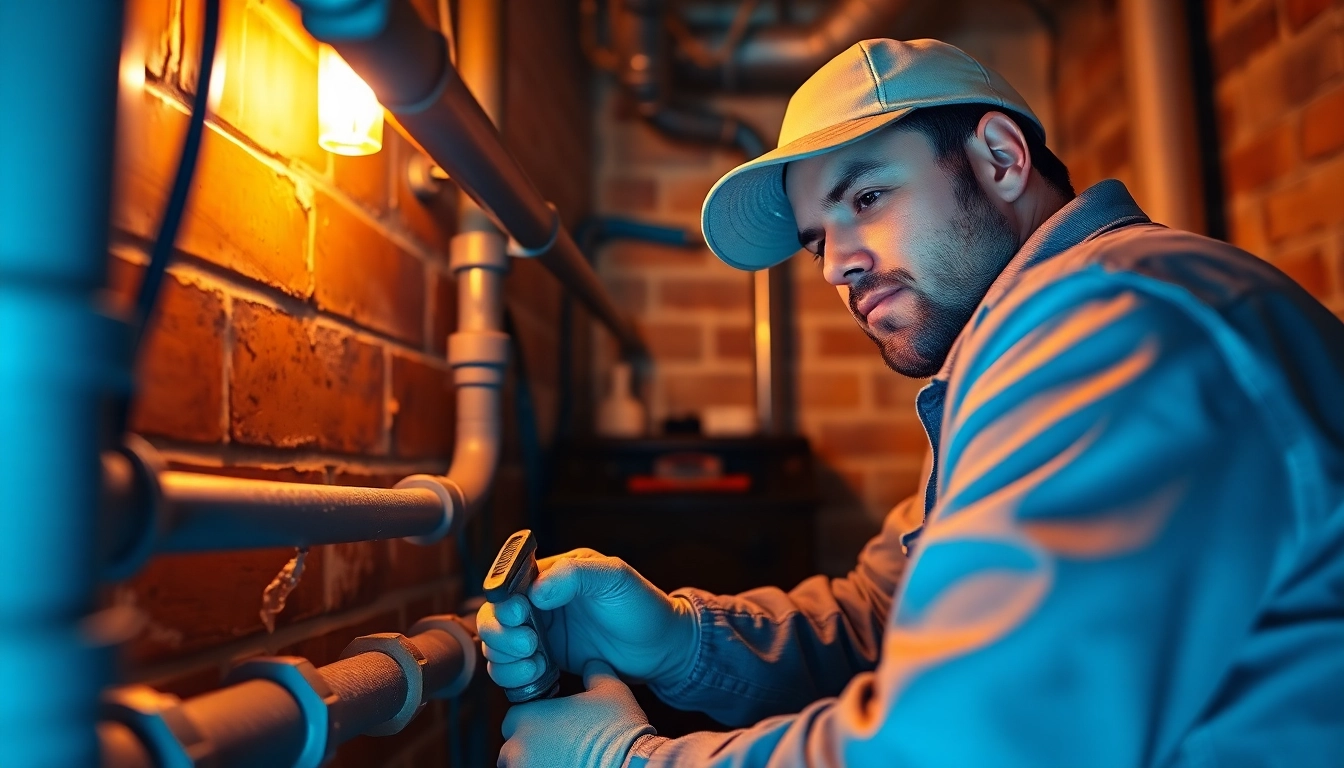
Understanding Sewer Backups: Causes and Consequences
A sewer backup is a troubling household issue that can lead to significant health and property damage if not addressed promptly. It can occur for various reasons, from blockages in the plumbing system to issues with the municipal sewer lines. It is essential for homeowners to understand what a sewer backup is and the potential consequences it can bring to their properties and health. When exploring options, emergency plumbing help for sewer backup is crucial to mitigate such situations effectively.
1. What is a Sewer Backup?
A sewer backup occurs when sewage and wastewater flow back through the pipes into homes or businesses. This reversal can happen due to various issues, such as blockages in the sewer line, heavy rainfall overwhelming the system, or damage to the pipes. It typically results in foul odors, slow drainage, and, in severe cases, overflowing toilets and sinks.
2. Common Causes of Sewer Backups
- Blockages: The most common cause of sewer backups is blockages created by debris, grease, tree roots, or foreign objects lodged in the sewer line.
- Heavy Rains: Severe rainfalls can overwhelm city sewer systems, causing backflow into residential and commercial properties.
- Poor Maintenance: Lack of routine maintenance can lead to buildup and corrosion of pipes, making them susceptible to blockages.
- Structural Issues: Deterioration or misalignment of sewer pipes can disrupt the flow of wastewater, leading to backups.
3. Potential Health Risks Associated with Sewage
Sewage contains harmful bacteria and pathogens that can pose severe health risks. Exposure to raw sewage can lead to gastrointestinal illnesses, infections, and respiratory issues. Moreover, sewage backups can create unsanitary living conditions, making it essential to address these emergencies promptly.
Recognizing the Signs of a Plumbing Emergency
Understanding the signs of a plumbing emergency can save homeowners from extensive damage and costly repairs. Timely recognition and action are essential in preventing further complications.
1. Warning Signals: When to Call for Emergency Plumbing Help
- Unpleasant odors emanating from drains or toilets.
- Multiple fixtures backing up at once, such as toilets and sinks.
- Slow drainage across various plumbing fixtures.
- Gurgling noises coming from drains, indicating blockages.
2. How to Identify a Sewer Backup Situation
Identifying a sewer backup is critical for swift action. Homeowners should look out for the following indicators:
- Water pooling around floor drains or in the basement.
- Backflow of water from toilets or sinks when using other plumbing fixtures.
- Visible sewage on the floor, indicating a severe backup.
3. Immediate Symptoms to Monitor for Effective Response
Some immediate symptoms to monitor include:
- Severe clogs in toilets and sinks.
- Unexplained puddles in the yard near sewer lines.
- Sudden increase in rodent activity, which may indicate sewer issues.
Emergency Plumbing Solutions for Sewer Backups
When faced with a sewer backup, knowing how to respond can minimize damage. Here are effective steps to take during such emergencies.
1. Step-by-Step Guide to Handling a Sewer Backup
- Shut Off Water Supply: Immediately turn off the main water supply to prevent further flooding.
- Assess the Situation: Identify the severity of the backup and determine if it’s safe to enter the affected areas.
- Contact a Professional: Call a licensed plumber who specializes in emergency plumbing services. Quick action is essential.
- Do Not Flush: Avoid flushing toilets or using sinks to prevent exacerbating the problem.
2. Tools and Techniques Used by Professional Plumbers
Professional plumbers utilize various tools and techniques to address sewer backups efficiently. Some of these include:
- Video Camera Inspections: This allows plumbers to identify blockages and determine the condition of sewer lines.
- Hydro Jetting: A powerful method that uses high-pressure water to clear out stubborn blockages.
- Sewer Snakes: Used to break apart and remove small blockages within the pipes.
3. Importance of Quick Action to Minimize Damage
Every minute counts in a sewer backup scenario. Quick action helps limit damage, reduces repair costs, and protects the health of occupants. Timely intervention can prevent structural damage and costly clean-ups.
Preventive Measures to Avoid Future Sewer Backups
Prevention is always better than dealing with emergencies. Implementing proactive measures can significantly reduce the likelihood of future sewer backups.
1. Routine Maintenance: What Homeowners Should Do
- Schedule regular inspections of plumbing systems to catch problems early.
- Clear drains and gutters to prevent debris buildup.
- Avoid disposing of grease or non-biodegradable materials in sinks.
2. Professional Inspections: When and Why They’re Necessary
Engaging professionals for regular plumbing inspections can help identify potential issues before they become significant problems. Schedule inspections annually or whenever you notice signs of plumbing distress.
3. DIY Strategies for Keeping Drains Clear
- Use strainers to catch hair and food particles in sinks and showers.
- Pour boiling water down the drain periodically to keep pipes clear of grease.
- Utilize natural drain cleaners, such as baking soda and vinegar, to maintain clear plumbing.
Choosing the Right Emergency Plumbing Service in NYC
Finding a reliable emergency plumbing service can be daunting, but certain criteria can help you choose the right provider.
1. What to Look for in a Licensed Plumber
- Ensure they are licensed and insured to operate in New York City.
- Check customer reviews and ratings online for credibility.
- Ask for transparent pricing before engaging in services.
2. Comparing Emergency Plumbing Services in New York
Take the time to compare different plumbing service providers. Look for those who offer a wide range of services, quick response times, and have a track record of customer satisfaction.
3. Testimonials: Real Experiences from NYC Homeowners
Learning from the experiences of others can inform your choice of plumber. Look for testimonials and case studies that highlight successful emergency responses and customer satisfaction.