
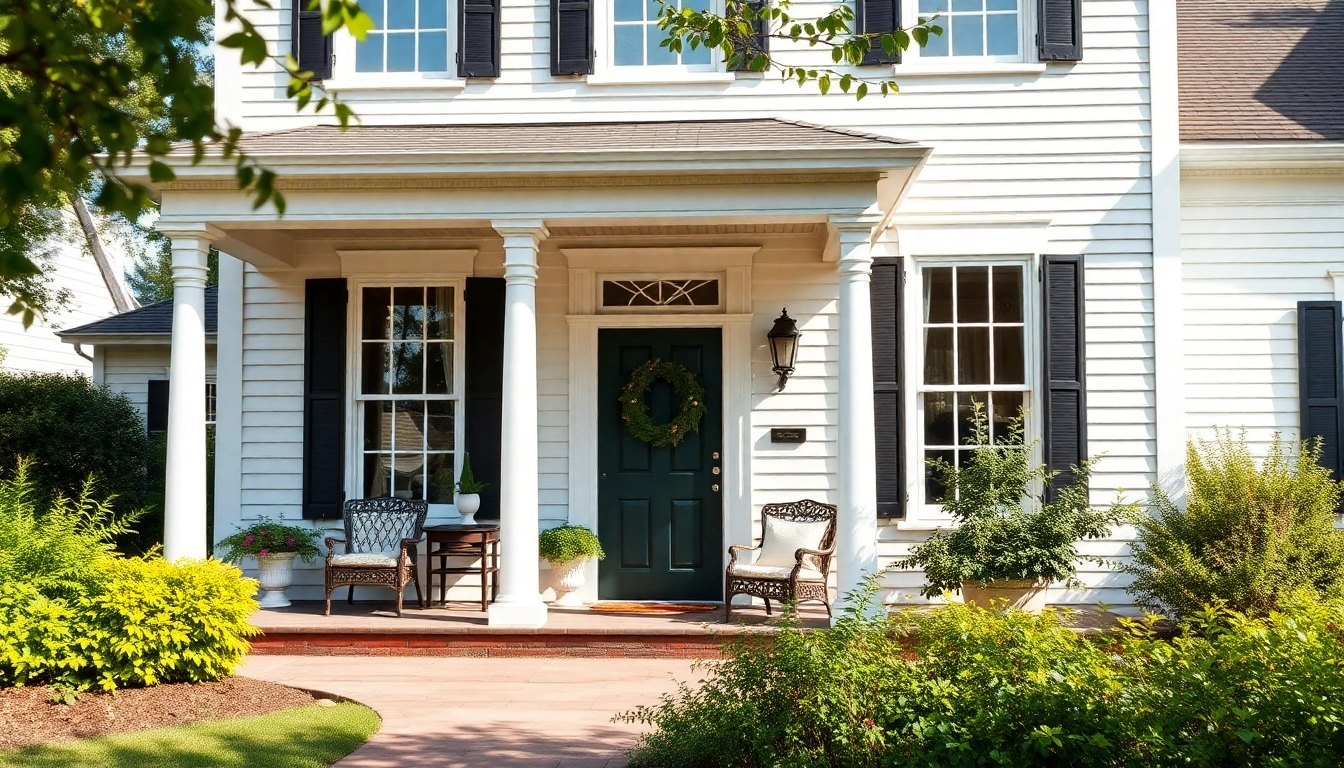
Colonial homes are not just structures; they carry the history and culture of the time they were built. When it comes to planning a colonial home renovation, understanding the unique characteristics and historical significance of these homes is crucial. This article serves as a comprehensive guide to navigating the intricacies of renovating colonial homes, ensuring both preservation and modernization while honoring their architectural integrity.
Understanding Colonial Home Renovation
The History of Colonial Architecture
Colonial architecture is an umbrella term that encompasses various styles that originated during the colonization of America, predominantly from the 1600s to the 1800s. These homes were influenced by European styles—especially from England, France, Spain, and the Netherlands—and they reflect the diverse cultural influences of the time. The emphasis on symmetry, proportion, and use of brick and wood was dominant during this era, often resulting in elegant but practical forms.
The most notable styles include the Georgian and Federal styles, characterized by prominent gable roofs, pillar porticos, and decorative friezes. Recognizing these historical distinctions not only aids in an authentic restoration but helps you appreciate the craftsmanship and stories embedded in these homes.
Common Features of Colonial Homes
Colonial homes share some common characteristics that contribute to their distinct appearances. Key features include:
- Symmetrical Facades: Colonial homes typically present a balanced front, often featuring a center door with symmetrical windows on either side.
- Gabled Roofs: Steep roofs not only offer an aesthetic appeal but also practical benefits, like snow shedding.
- Chimneys: Many colonial homes feature prominent chimneys, often located centrally or on either side of the house.
- Raised Foundations: Elevating the home helps with water drainage, an essential consideration in colonial times.
- Classic Materials: Wood, brick, and stone were commonly utilized materials that have aged beautifully over time.
The Importance of Historical Preservation
Historical preservation is vital in the renovation of colonial homes. It ensures that the architectural integrity, which is often looking into cultural, social, and technological aspects of a time, is maintained. Preserving these homes allows for the continuation of historical narratives that shape our understanding of the past and its relevance today. Furthermore, well-preserved homes tend to retain their value better than those that are not, making historical preservation not only a tribute to tradition but also a worthwhile investment.
Planning Your Colonial Home Renovation
Initial Assessment and Property Evaluation
The first step in any renovation is conducting a thorough assessment of the property. This involves examining the foundational integrity, roofing, electrical, and plumbing systems. Engaging a structural engineer or a home inspector specializing in historic properties can provide valuable insights. Record any damages, inefficiencies, or areas needing attention to formulate a comprehensive renovation plan.
Budgeting for Historical Restorations
Creating a realistic budget is essential for a successful renovation. Begin by itemizing expected costs, including labor, materials, permits, and potential surprises that often arise during restorations. It’s advisable to set aside a contingency fund of about 10-20% for unexpected expenses. Additionally, researching local grants or financial assistance programs for historical restoration can provide much-needed financial relief.
Finding the Right Professionals
Renovating a colonial home requires skilled professionals who understand historical architecture. Seek out architects, contractors, and artisans who specialize in historical properties. Request portfolios or references to gauge their experience and expertise in similar projects. Collaborating with professionals not only helps streamline the renovation process but also ensures adherence to historical guidelines and local building codes.
Key Renovation Areas to Focus On
Restoring Exteriors and Roofs
The exterior of colonial homes is a focal point of their charm. Restoration should focus on repairing or replacing weathered siding, preserving historical features like shutters, and renewing paint using historically accurate colors. Roofs might require replacement of shingles or a full overhaul; consider using materials that align with the home’s original aesthetic, such as slate or cedar shakes.
Updating Interiors with Modern Touches
While it’s vital to maintain historical accuracy, updating interiors with modern amenities can significantly enhance comfort without sacrificing charm. Consider integrating systems such as central heating and cooling while ensuring that HVAC ducts do not interfere with the home’s original features. Opt for modern, sustainable materials that mimic classic designs, allowing you to preserve the historical essence while ensuring the functionality of contemporary living.
Outdoor Spaces and Landscaping Tips
Landscaping plays a crucial role in enhancing the aesthetic appeal of colonial homes. Opt for period-appropriate landscaping that reflects the era when the home was built. Traditional garden layouts, winding paths, and the inclusion of period-appropriate flora can dramatically boost curb appeal. Additionally, remodeling porches and patios to provide comfortable recreational spaces can enhance enjoyment and connection to the outdoors.
Best Practices for Colonial Home Renovations
Utilizing Sustainable Materials
Sustainability is increasingly crucial in any renovation project. Opt for reclaimed wood, bricks, or historically accurate reproductions made from sustainable sources. Not only do these materials help maintain the heritage of the home, but they also contribute to energy efficiency and promote environmental stewardship, making your renovations more eco-friendly.
Incorporating Modern Amenities
While protecting the historical integrity, adding modern amenities is key to making colonial homes livable for today’s homeowners. Features such as updated electrical and plumbing systems, energy-efficient windows, and modern insulation can be incorporated discreetly to ensure comfort and efficiency. Finding a balance between old and new will enhance the functionality of the space without compromising its historical significance.
Maintaining Architectural Integrity
Every renovation decision should prioritize the home’s architectural integrity. Avoid making changes that might lead to irreversible alterations of the structure. Utilize architectural guidelines specific to colonial homes and focus on restoring rather than replacing original materials whenever possible. This not only respects the home’s history but often leads to greater satisfaction post-renovation.
Evaluating the Success of Your Renovation
Performance Metrics and Property Value
After completing renovations, evaluating success can be nuanced. Key metrics to consider include the home’s new market value, the quality of workmanship, and the functionality of modern amenities added. Comparing pre- and post-renovation appraisals can offer insights into financial success, while homeowner satisfaction surveys can help gauge the overall success of the project.
Feedback from Previous Homeowners
Engaging with previous homeowners or residents can provide invaluable feedback on your renovation project. By seeking opinions on what improvements were most appreciated or what challenges were faced, you’ll gain perspective on your renovation’s effectiveness and discover potential areas for future enhancements.
Next Steps After the Renovation
Once renovations are completed, consider the next steps to ensure continued appreciation of your colonial home. This could involve periodic inspections to address wear and tear, regular maintenance of both interiors and exteriors, and participating in preservation societies or local historical registries to keep the home’s history alive and share it with the community.
Frequently Asked Questions
What is the best way to start a colonial home renovation?
The best way to start is with a comprehensive assessment of the property, assessing its historical features, structural integrity, and potential areas needing attention.
How do I create a budget for renovation?
Itemize your expected costs, including labor and materials, and set aside a contingency fund for unexpected expenses—typically about 10-20% of the original budget.
Can I modernize a colonial home without losing its character?
Yes, modern amenities can be incorporated subtly. Focus on maintaining original features and using period-appropriate materials while improving functionality as needed.
Are there financial incentives for restoring historical homes?
Many areas offer grants, tax credits, or low-interest loans for historical restorations. Research local programs that could support your renovation financially.
How important is professional help in historical renovations?
Professional help is critical, as they ensure adherence to historical integrity, local codes, and effective project management, which can significantly improve success rates.