
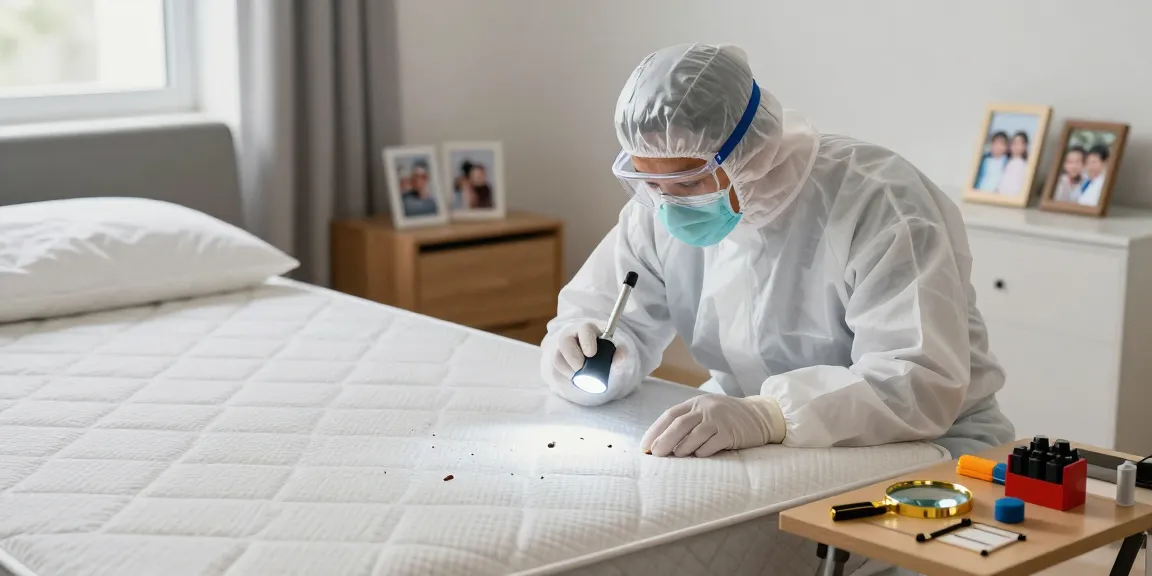
Understanding Bed Bugs: Biology and Behavior
Bed bugs are persistent pests that can turn a peaceful night into a nightmare. Understanding their biology and behavior is crucial for effective bed bug control, especially when experiencing an infestation. These tiny, blood-sucking insects are infamous for their ability to hide in plain sight, making them difficult to detect until the problem escalates. In this section, we will explore what bed bugs are, where they hide, their lifecycle, and some common misconceptions surrounding these pests.
What Are Bed Bugs and Where Do They Hide?
Bed bugs (Cimex lectularius) are small, oval-shaped insects that are approximately 1/4 inch long. They are reddish-brown and have a flat body, making them well-suited for hiding in various environments. Their preferred hiding spots include:
- Seams of mattresses and box springs
- Cracks in walls and floorboards
- Furniture, especially in joints and upholstery
- Behind baseboards and electrical outlets
Because bed bugs are nocturnal, they are most active at night when they emerge to feed on human blood. Their flat bodies allow them to easily fit into tight spaces, often making them undetectable until significant signs of an infestation appear.
The Lifecycle of Bed Bugs and Implications for Control
Understanding the lifecycle of bed bugs is essential for effective pest management. Bed bugs undergo five nymph stages before reaching adulthood, and each stage requires a blood meal to progress. This lifecycle means that a single female bed bug can lay hundreds of eggs during her lifetime, leading to rapid infestation growth. The temperature impacts their development; for instance, optimal egg-laying and growth occur at around 80°F (27°C). Such conditions can often be found in homes, making it vital to maintain monitoring and preventative measures.
Common Misconceptions About Bed Bugs
Many misconceptions about bed bugs contribute to misinformation and inadequate control efforts. Some common myths include:
- Bed bugs are only found in dirty places: While they thrive in cluttered environments, bed bugs can infest even the cleanest homes.
- Only beds are infested: Bed bugs can hide in various locations, including furniture, luggage, and even electrical outlets.
- DIY solutions are always effective: Many DIY methods are insufficient for eliminating an established infestation, emphasizing the need for professional treatment.
Signs of Infestation: Early Detection Methods
Early detection is critical in managing a bed bug infestation. Knowing what to look for can save time, money, and stress in the long run. Identifying signs of bed bugs can mean the difference between an easy extermination and a more extensive problem.
Visual Indicators of Bed Bugs in Your Home
Visual signs of bed bugs include:
- Red, itchy welts on the skin, often in clusters or lines
- Small blood stains on sheets or mattresses
- Dark spots from bed bug droppings on surfaces
- Empty bed bug shells or eggs in hiding spots
Regularly checking these signs can help homeowners catch an infestation early, allowing for quicker and more efficient treatment.
Utilizing K9 Inspection Teams for Accurate Detection
For those unsure about the presence of bed bugs, employing a K9 inspection team can be a proactive solution. These specially trained dogs have an exceptional sense of smell and can detect bed bugs in their various life stages even in hard-to-reach areas. K9 inspections can often provide peace of mind and direct pest control efforts accurately, ensuring that any treatments are specifically targeted where needed.
Identifying Bites and Other Symptoms
The bites of bed bugs are usually painless initially but can lead to itchy welts. It is crucial to note the patterns and locations of bites; they tend to appear in clusters or lines, which can be a strong indicator of an infestation. While bites can signal an issue, not everyone reacts the same way to bed bug bites, making it essential to check for visual indicators simultaneously.
Effective Treatment Options for Bed Bug Control
When dealing with a bed bug infestation, it is essential to understand the various treatment options available. Effective bed bug control often requires a combination of methods tailored to the specific situation.
Heat Treatment: The Eco-Friendly Approach
Heat treatment is one of the most effective, environmentally friendly methods to eliminate bed bugs and their eggs. This process involves heating a room to a temperature that is lethal to bed bugs while ensuring the safety of furniture and personal belongings. Additionally, heat treatment is effective against all life stages, providing a comprehensive solution to the problem. Clients who undergo heat treatments often report immediate improvements in pest presence and a significant reduction in allergy symptoms, as the procedure also targets dust mites and other allergens.
Chemical Treatments: Pros and Cons
Chemical treatments are another common approach, often involving the application of commercial-grade insecticides. These treatments are designed to create a residual barrier, providing ongoing protection against re-infestation for up to 120 days. However, while chemical sprays can be effective, they do come with drawbacks, such as a need for thorough preparation and potential stress regarding chemical exposure. Many exterminators offer limited preparation options, easing the burden on clients while still ensuring the efficacy of the treatment.
Combining Methods for Maximum Efficacy
For truly problematic infestations, combining heat and chemical treatments may offer the best results. This dual approach eliminates immediate threats while laying down a protective barrier, thereby reducing the risk of future outbreaks. Consulting with pest control experts is essential to determine the best course of action based on the level of infestation, the layout of the home, and any specific concerns of the household.
Preventing Future Infestations: Best Practices
Once bed bugs have been eliminated, implementing effective prevention strategies is crucial to avoid future infestations. Maintaining a proactive approach can save homeowners from the stress and expense of recurring problems.
Creating a Bed Bug-Proof Home Environment
A bed bug-proof home can be created by sealing cracks and crevices throughout the house, using bed bug-proof mattress and pillow covers, and regularly monitoring furniture and luggage for signs of pests. Keeping sleeping areas clean and decluttered also reduces potential hiding spots, making it more difficult for bed bugs to establish themselves.
Travel Tips to Avoid Bringing Bed Bugs Home
Travelers should be particularly vigilant when staying in hotels or using shared accommodations. Some tips for avoiding bringing bed bugs home include:
- Inspect hotel rooms upon arrival for signs of bed bugs
- Keep luggage off the floor and bed
- Place dirty clothes in sealed bags
- Immediately wash and dry luggage on high heat upon returning home
By incorporating these practices, you significantly reduce your chances of encountering bed bugs during your travels.
Regular Monitoring and Early Warning Systems
Regular inspections of sleeping areas and furniture can help catch any potential re-infestations early on. Monitoring for bites and signs of bed bugs, as well as utilizing traps or detectors, can alert homeowners to issues before they escalate.
Case Studies: Success Stories in Bed Bug Control
Case studies provide invaluable insights into effective bed bug treatment strategies and the experiences of those who have undergone extermination processes. Analyzing real-world examples helps others understand what to expect and how to approach their battles with bed bugs.
Real-World Examples of Effective Treatments
In a recent case involving a multifamily dwelling in Milwaukee, residents reported returning bites and visible signs of bed bugs in common areas. Our team implemented a combined heat and chemical treatment strategy, resulting in significant reductions in bed bug sightings and complaints within weeks. Follow-up visits confirmed the effectiveness of this dual approach.
Customer Testimonials and Feedback
Many clients express their satisfaction with our services, citing professionalism, thoroughness, and the effective eradication of pests. One homeowner mentioned, “I was shocked at how quickly my bed bug problem was resolved. The team was discreet and respectful of my home, and they provided me peace of mind.” Testimonials like this highlight the importance of quality service in achieving successful pest management.
Lessons Learned and Future Trends in Bed Bug Control
As bed bug infestations continue to rise, new trends in treatment and prevention are emerging. Experts recommend staying informed about the latest technologies, such as advanced detection methods and eco-friendly treatments. Continuous education for pest control professionals is vital to adapt to evolving pest behaviors and effective solutions.
What is the most effective method for bed bug control?
The most effective method for bed bug control often includes a combination of heat and chemical treatments, tailored to the specific needs of a household. Consulting with experts can provide customized solutions based on the severity of the infestation and other influencing factors.
Can DIY methods effectively control bed bugs?
While some DIY methods may kill individual bed bugs, they generally lack the efficacy needed to eliminate established infestations. Professional treatments are often the best course of action for significant problems.
How long does it take to eliminate bed bugs completely?
The timeline for complete elimination of bed bugs can vary depending on the severity of the infestation and the methods used. Generally, effective treatments can take anywhere from a few days to several weeks to fully eradicate bed bugs.
What signs indicate that bed bugs are returning?
Signs indicating a possible return of bed bugs include new bites on the skin, fresh blood stains on sheets, dark spots from droppings, and the physical presence of live bugs or shed skins.
Are heat treatments safe for all types of furniture?
Heat treatments are generally safe for most furnitures; however, it is vital to consult with professionals to assess specific items that may be sensitive to high temperatures, such as electronics or delicate fabrics.