
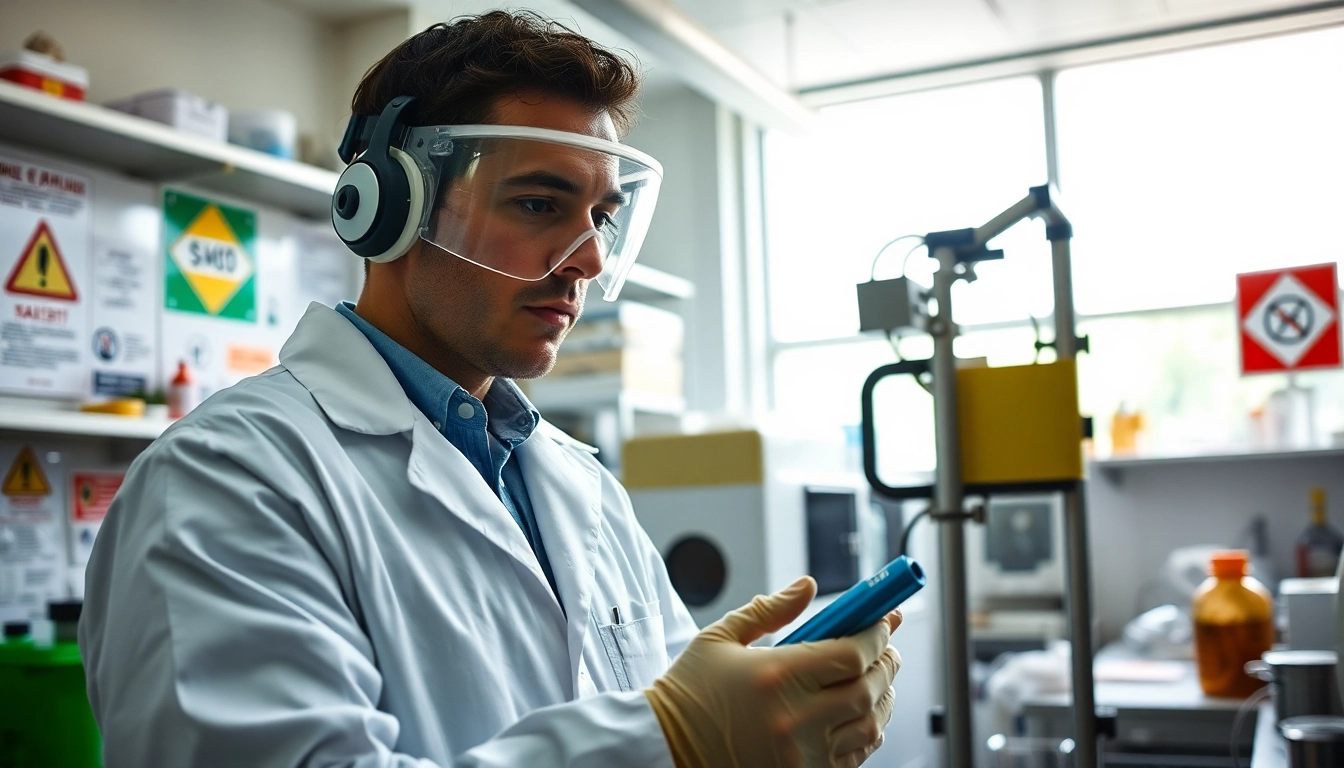
Introduction to Physical Hazard
Understanding the concept of physical hazards is crucial for promoting safety in various settings, particularly in workplaces where exposure can lead to significant harm. A physical hazard refers to any aspect of the environment that can potentially cause harm through physical interaction. For a comprehensive understanding and management of these hazards, it is essential to recognize their varieties and implications. Education and awareness are vital in creating safer workspaces and environments. Explore deeper insights into the importance of identifying and managing physical hazard risks.
What is a Physical Hazard?
A physical hazard is any external condition or situation that poses a risk of injury or harm. These can range from machinery and tools that can cause cuts or crush injuries to environmental factors like extreme temperatures, radiation, and noise. Understanding what constitutes a physical hazard involves recognizing both visible elements, such as equipment and materials, and less obvious factors, like slip and trip risks caused by uneven surfaces.
Types of Physical Hazards
Physical hazards can be categorized into several distinct types:
- Mechanical Hazards: These involve machinery and moving parts that can cause injury.
- Electrical Hazards: Risks associated with exposed electrical components or faulty wiring are prevalent in many workplaces.
- Thermal Hazards: Exposed to extreme temperatures, whether hot or cold, can lead to injuries like burns or frostbite.
- Noisy Environments: Prolonged exposure to excessive noise levels can result in hearing loss.
- Ergonomic Hazards: Poor workstation setups and repetitive motion can lead to musculoskeletal disorders.
The Importance of Recognizing Physical Hazards
Recognizing physical hazards is pivotal in accident prevention and promotes a culture of safety within organizations. By identifying these risks, employers can implement necessary controls to minimize potential harm and create an environment focused on the health and safety of all employees. Awareness not only protects workers but also enhances productivity, overall morale, and employee retention.
Identifying Physical Hazards in the Workplace
Common Workplace Physical Hazards
Many workplaces harbor various physical hazards. Common examples include:
- Unsecured machinery presenting pinch points or falling hazards.
- Spills creating slip hazards on floors.
- Cluttered walkways or storage areas, increasing trip risks.
- Improperly maintained electrical equipment leading to shock hazards.
- Lack of adequate personal protective equipment (PPE) for hazardous tasks.
Observation and Reporting Procedures
Establishing effective observation and reporting procedures is fundamental for identifying physical hazards. Employees should be encouraged to report unsafe conditions without fear of reprisal. Implementing routine inspections and audits can also help identify hazards before they result in accidents. Simplified reporting mechanisms, such as digital portals or physical forms, can enhance communication regarding safety concerns.
Utilizing Safety Inspections
Regular safety inspections should be scheduled to proactively identify potential physical hazards. Inspections should be conducted by trained personnel who can thoroughly evaluate safety practices and the physical environment. It’s essential for inspectors to provide clear documentation, follow-up actions for identified risks, and ensure compliance with safety standards.
Assessing the Risk of Physical Hazards
Understanding Risk Assessment
Risk assessment is a structured process to evaluate potential risks associated with physical hazards. This process enables organizations to prioritize hazards based on their likelihood and severity of harm. Fundamental steps include hazard identification, risk analysis, and risk evaluation, which collectively help establish control measures effectively.
Tools and Techniques for Assessment
Various tools and techniques can be adopted for assessing physical hazards, including:
- Checklists: Easy to use for systematic hazard evaluation.
- Risk matrices: Useful for categorizing risks based on severity and frequency.
- Safety audits: Comprehensive assessments of safety policies and practices.
Evaluating Potential Impact
Evaluating the potential impact of identified physical hazards is crucial. Organizations must consider not only the likelihood of an accident but also the consequences of such incidents. This evaluation aids in decision-making related to prioritizing hazard control measures and resource allocation.
Implementing Control Measures for Physical Hazards
Elimination and Substitution Strategies
The most effective way to control a physical hazard is by eliminating the danger entirely or substituting it with a safer option. For example, replacing hazardous chemicals with non-toxic alternatives significantly reduces exposure risks. Organizations should regularly update their practices to incorporate new technologies and methodologies that enhance safety.
Engineering Controls
Engineering controls are physical changes to the workplace that reduce or eliminate hazards. Common engineering controls include:
- Guardrails and barriers: Prevent access to hazardous areas.
- Machine guards: Protect workers from moving machinery parts.
- Ventilation systems: Reduce exposure to airborne contaminants.
Administrative Controls and Personal Protective Equipment (PPE)
Administrative controls involve changes in work policies or procedures to reduce risk, such as rotating workers through high-risk jobs to minimize exposure. Additionally, the use of personal protective equipment (PPE) is essential for protecting workers from physical hazards. Proper training on PPE usage, maintenance, and storage further enhances worker safety.
Training and Safety Culture Regarding Physical Hazards
Importance of Safety Training
Safety training is crucial for all employees, ensuring that they understand the physical hazards present in their workplaces and how to mitigate them effectively. Training programs should focus on practical hazard recognition, proper handling techniques, and emergency procedures, fostering a proactive approach to workplace safety.
Promoting a Safety-First Culture
Creating a safety-first culture involves instilling a mindset where safety is prioritized at every level of the organization. This can be achieved through regular communication about safety goals, recognizing safe work practices, and involving employees in safety planning. When workers feel empowered, they are more likely to adhere to safety recommendations and practices.
Evaluating Training Effectiveness
Continuous evaluation of training programs is necessary to ensure effectiveness. Feedback from employees, assessments, and monitoring incidents can provide insights into the training’s impact. Adjustments should be made based on findings to enhance the relevance and effectiveness of training initiatives.
FAQs About Physical Hazards
What are examples of physical hazards?
Examples include mechanical hazards (moving machinery), electrical hazards (exposed wires), thermal hazards (extreme temperatures), noise hazards (excessive sound), and ergonomic hazards (poor workstation layouts).
How can I report a physical hazard at work?
To report a physical hazard, inform your supervisor or safety officer immediately. Follow your organization’s established reporting procedures, ensuring accurate documentation of the hazard.
What personal protective equipment (PPE) should be used?
PPE usage varies depending on the hazard type but may include helmets, gloves, goggles, ear protection, and respirators. Always select PPE appropriate for the specific risks present.
How often should safety inspections take place?
Safety inspections should occur regularly, ideally monthly or quarterly, depending on workplace conditions and industry standards. More frequent inspections may be necessary in higher-risk environments.
What is the role of training in managing physical hazards?
Training equips employees with the knowledge to recognize and mitigate physical hazards effectively. It promotes safe work practices, enhancing overall workplace safety culture.