
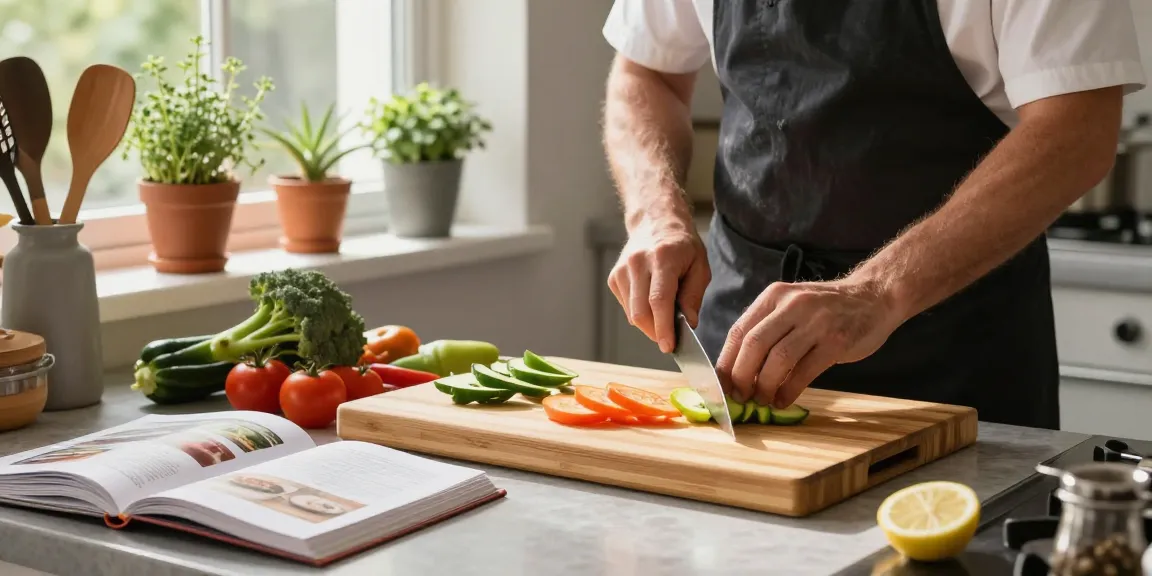
The Benefits of Bamboo Cutting Boards
Bamboo cutting boards have gained significant popularity in recent years, thanks to their myriad benefits that cater to the needs of both professional chefs and home cooking enthusiasts. They are not only stylish and eco-friendly but also incredibly functional, making them a staple in modern kitchens. As you explore options, bamboo cutting boards provide comprehensive insights into why they may be the ideal choice for your culinary needs.
Why Choose Bamboo for Your Kitchen?
Bamboo is a highly renewable resource, making it an excellent choice for environmentally conscious consumers. Unlike traditional hardwoods, bamboo grows rapidly, requiring less time and fewer resources to harvest. This quality makes bamboo products not only sustainable but also often less expensive than their wood counterparts. Moreover, bamboo has natural antibacterial properties, providing an extra layer of hygiene in food preparation areas.
Durability and Longevity of Bamboo Cutting Boards
One of the standout features of bamboo cutting boards is their impressive durability. The dense structure of bamboo makes it resistant to deep cuts and scratches, which means they can withstand the rigors of everyday use without deteriorating quickly. While other cutting boards may need replacement or repair, a well-cared-for bamboo board can last for years, making it a worthwhile investment for any kitchen.
Comparative Advantages Over Plastic and Wood
When compared to plastic cutting boards, bamboo offers a more ecological solution. Plastic boards can harbor harmful bacteria in their grooves, while bamboo’s natural fibers can help prevent bacteria buildup. In terms of wood, bamboo boards strike a balance between weight and sturdiness. They are lighter than traditional hardwood cutting boards, making them easier to handle, while still providing a robust surface for chopping and slicing.
Choosing the Right Bamboo Cutting Board
Selecting the best bamboo cutting board for your needs involves understanding the various options available. Different types of bamboo cutting boards cater to specific kitchen tasks, from large boards for meats to smaller ones for fruits and vegetables.
Different Types of Bamboo Cutting Boards
Bamboo cutting boards come in various forms, including flat boards, those with juice grooves, and reversible designs. Flat boards are great for slicing, while boards with grooves help catch juices from meats or fruits, preventing messes during food prep.
Size and Thickness Considerations
Choosing the right size and thickness is essential for functionality. A thicker board can provide more stability and durability, making it ideal for heavy-duty chopping. Conversely, a thin, lightweight board may be more suited for quick tasks and easy storage, especially in smaller kitchens.
Eco-Friendly Certifications to Look For
When purchasing bamboo cutting boards, look for eco-friendly certifications, such as FSC (Forest Stewardship Council) certification, which ensures that the bamboo was sourced sustainably. Certifications can provide peace of mind that the product you are choosing aligns with environmental standards.
Care and Maintenance of Bamboo Cutting Boards
Proper care and maintenance of bamboo cutting boards are crucial for prolonging their lifespan. Understanding how to clean and maintain these boards ensures that they remain hygienic and visually appealing.
Best Practices for Cleaning and Sanitizing
To clean bamboo cutting boards, wash them with warm soapy water and a soft sponge. Avoid soaking the boards or putting them in a dishwasher, as excessive moisture can warp the material. Instead, allow them to air dry upright to maintain their structure and avoid bacterial growth.
How to Prevent Warping and Cracking
To prevent warping, always dry the boards immediately after washing. Additionally, it’s advisable to store bamboo cutting boards in a dry environment, away from extreme temperatures. This practice helps maintain their integrity and prolongs their lifespan.
Oiling and Seasoning Tips for Longevity
Regularly applying food-safe mineral oil can help keep the bamboo cutting board moisturized and prevent it from drying out. Oiling not only enhances the board’s appearance but also protects it from food stains and odors, ensuring a cleaner and fresher surface for food preparation.
Innovative Uses for Bamboo Cutting Boards
Bamboo cutting boards are versatile kitchen tools that can be used beyond simple food preparation. Their aesthetic appeal makes them suitable for serving and display purposes as well.
Creative Serving Ideas and Presentation Tips
Using bamboo boards for serving cheese, charcuterie, or appetizers can elevate your hosting game. Their natural beauty complements any table setting, adding a rustic charm that impresses guests. Using different sizes of boards can create visually appealing displays for parties and gatherings.
How to Use for Meal Prep Efficiency
In any kitchen, efficiency is key. Bamboo cutting boards can streamline meal prep by providing a clean and organized space for chopping and slicing. Having multiple boards allows for the segregation of food types, reducing the risk of cross-contamination.
Diverse Kitchen Projects with Bamboo Boards
Aside from food preparation, bamboo cutting boards can be employed in various DIY projects. They can be turned into unique serving trays, coasters, or even decorative wall art with a little creativity. This adaptability makes bamboo a great investment for anyone looking to personalize their kitchen.
Future Trends in Kitchenware: Bamboo Cutting Boards
The kitchenware landscape is evolving, with a growing emphasis on sustainability and functionality. As we look ahead, bamboo cutting boards are poised to take center stage due to their eco-friendly nature and versatility.
Market Predictions and Innovations by 2026
By 2026, advancements in bamboo processing may lead to even more innovative products, such as cutting boards with integrated technology for food safety, like built-in temperature sensors. This shift aligns with the increasing consumer awareness of hygiene and food safety in kitchen environments.
Eco-Conscious Consumer Trends in Kitchenware
As more consumers prioritize eco-friendly products, bamboo cutting boards are likely to become a staple in households across the globe. This trend emphasizes the importance of sustainable living and could drive more brands to adopt bamboo for their kitchenware lines.
Expert Insights: The Sustainability of Bamboo
Experts agree that as global awareness grows regarding the environmental impact of everyday products, bamboo cutting boards will remain popular due to their sustainability. They are not only biodegradable but also contribute to less deforestation compared to hardwoods, positioning them as a responsible choice for conscious consumers.
What are the top benefits of using bamboo cutting boards?
The top benefits include their sustainability, durability, natural antibacterial properties, and lightweight nature. All these features make bamboo cutting boards a highly functional and environmentally friendly choice for any kitchen.
How can I effectively maintain my bamboo cutting board?
Maintenance involves regular cleaning with warm soapy water, avoiding dishwasher use, and applying food-safe mineral oil periodically to keep the wood conditioned.
Are bamboo cutting boards better than plastic ones?
Yes, bamboo cutting boards are generally considered better than plastic ones due to their sustainability, antibacterial properties, and durability, which contribute to a safer and more environmentally friendly kitchen.
What size bamboo cutting board should I choose for my kitchen?
Consider your cooking habits and kitchen space. Smaller boards are ideal for quick tasks like slicing fruits, while larger boards are necessary for preparing large meals or serving dishes.
Where can I buy high-quality bamboo cutting boards?
High-quality bamboo cutting boards can be found at specialty kitchen stores, eco-friendly retailers, or online platforms, offering a range of options to suit different needs and preferences.