
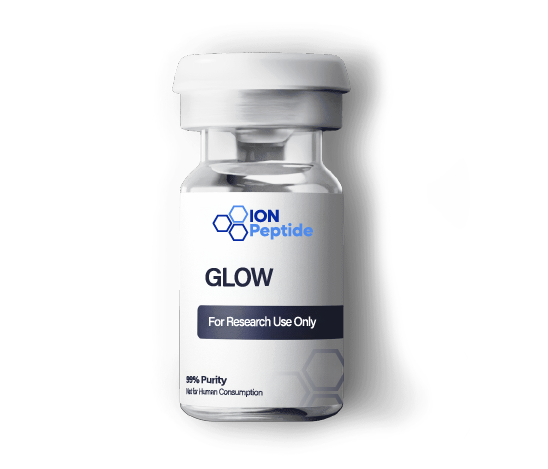
Understanding Peptide Research in Skincare
In recent years, peptides have emerged as a pivotal topic in the field of skincare. These small chains of amino acids play a vital role in skin health and are increasingly being incorporated into various cosmetic formulations. One such innovative product is the GLOW, which utilizes the science of peptides to enhance skin appearance and texture. Below, we delve deeper into the essence of peptides, their benefits, and how they can revolutionize your skincare routine.
What Are Peptides?
Peptides are short chains of amino acids, which are the building blocks of proteins. In terms of skincare, they are crucial as they help facilitate various biological functions within the skin. Peptides can penetrate the skin barrier more effectively than their larger protein counterparts. This enables them to deliver significant physiological benefits, making them valuable ingredients in skincare formulations.
The Role of Peptides in Skin Health
Peptides are instrumental in promoting collagen production, a vital protein that maintains skin elasticity and strength. As we age, collagen levels naturally decrease, leading to the appearance of fine lines and wrinkles. By incorporating peptides into skincare regimens, consumers may witness improvements in skin texture, hydration, and overall appearance. Furthermore, peptides can aid in the repair of damaged skin, offering anti-inflammatory benefits and enhancing the skin’s barrier function.
Benefits of GLOW Peptides for Complexion
The GLOW product focuses on harnessing the power of specific peptides that target common skin concerns such as dullness, uneven texture, and signs of aging. Users can expect enhanced luminosity, increased hydration, and smoother skin with consistent use. Peptides in the GLOW formulation can also help to combat oxidative stress and promote regenerative processes in the skin. The result is a revitalized complexion that exudes health and vibrancy.
Key Types of Peptides in Cosmetic Science
Signal Peptides and Their Effects
Signal peptides play a crucial role in cell communication and are vital for stimulating collagen and elastin production. They act as messengers to signal skin cells to perform specific actions, such as repairing tissue and regenerating skin. Research indicates that signal peptides contribute to improved skin firmness and elasticity, making them a fundamental ingredient in anti-aging formulations.
Carrier Peptides: Role and Function
Carrier peptides facilitate the delivery of trace elements, such as copper and zinc, to the skin. They not only enhance cellular metabolism but also improve skin healing and diminish scarring. The use of carrier peptides in skincare products leads to improved skin rejuvenation and a reduction in the visible signs of aging.
Enzyme Inhibitor Peptides: A Brief Overview
Enzyme inhibitor peptides work by blocking the activity of enzymes that break down collagen and elastin in the skin. This action helps to maintain the skin’s structural integrity and slows down the aging process. Products with these peptides can help users maintain a youthful appearance by preventing further degradation of key structural proteins.
Ways to Incorporate Peptides into a Skincare Routine
Choosing Products with Peptides
When selecting peptide-based products, it’s essential to consider the concentration and type of peptide included in the formulation. High-quality products often have peptides listed near the top of the ingredients list, indicating a substantial concentration. Look for complementary ingredients such as hyaluronic acid and antioxidants to maximize skin benefits.
How to Layer Peptide Products
Layering is a method that enhances product efficacy. To incorporate peptides into your skincare routine, apply them after cleansing and toning your skin. Start with lighter formulations such as serums containing peptides and follow up with moisturizers or creams. This method ensures that the active ingredients reach the deeper layers of the skin.
Potential Combinations for Maximum Effect
To amplify the results of peptide treatments, consider combining them with products containing Vitamin C or retinoids. Vitamin C can enhance collagen synthesis and improve skin texture, while retinoids promote cell turnover. These combinations can lead to improved complexion and a more youthful appearance. However, always introduce new products gradually to assess skin tolerance.
Measuring Results: Performance Metrics
Visible Improvements Over Time
Users of peptide-based skincare products often notice visible improvements within a few weeks. Measurement of these results includes assessing skin hydration levels, reduction in fine lines, and overall skin texture. Conducting a regular evaluation using a mirror or photography can help track progress effectively.
Skin Sensitivity and Tolerance Levels
While peptides are generally well-tolerated, it’s vital to monitor your skin for any adverse reactions, especially when introducing new products. Conduct a patch test prior to full application to determine your skin’s sensitivity. This caution can prevent irritation and enhance your overall trust in the regimen.
Lab Testing and User Reviews
Many peptide-containing products undergo rigorous lab testing to validate their efficacy. Reviews from users can also provide insight into the real-world effectiveness of the products. Look for testimonials that detail specific outcomes and experiences to gauge whether a product may work for you.
Frequently Asked Questions
1. What are the main benefits of GLOW peptides?
GLOW peptides enhance skin hydration, promote collagen production, improve texture, and support the skin’s natural barrier, leading to a radiant complexion.
2. How quickly can I see results from peptide products?
Many users begin to notice visible improvements in hydration and texture within 4-6 weeks of consistent use of peptide products.
3. Are there any side effects of using peptides?
Peptides are generally safe, but some individuals may experience mild irritation. It’s wise to perform a patch test before applying new products widely.
4. Can peptides be combined with other skincare ingredients?
Yes, peptides can be effectively combined with ingredients such as hyaluronic acid, Vitamin C, and retinoids to enhance their overall effectiveness.
5. How do I choose the right peptide-based product for me?
Look for products that suit your specific skin concerns, check for peptide concentration, and consider complementary ingredients for optimal results.