
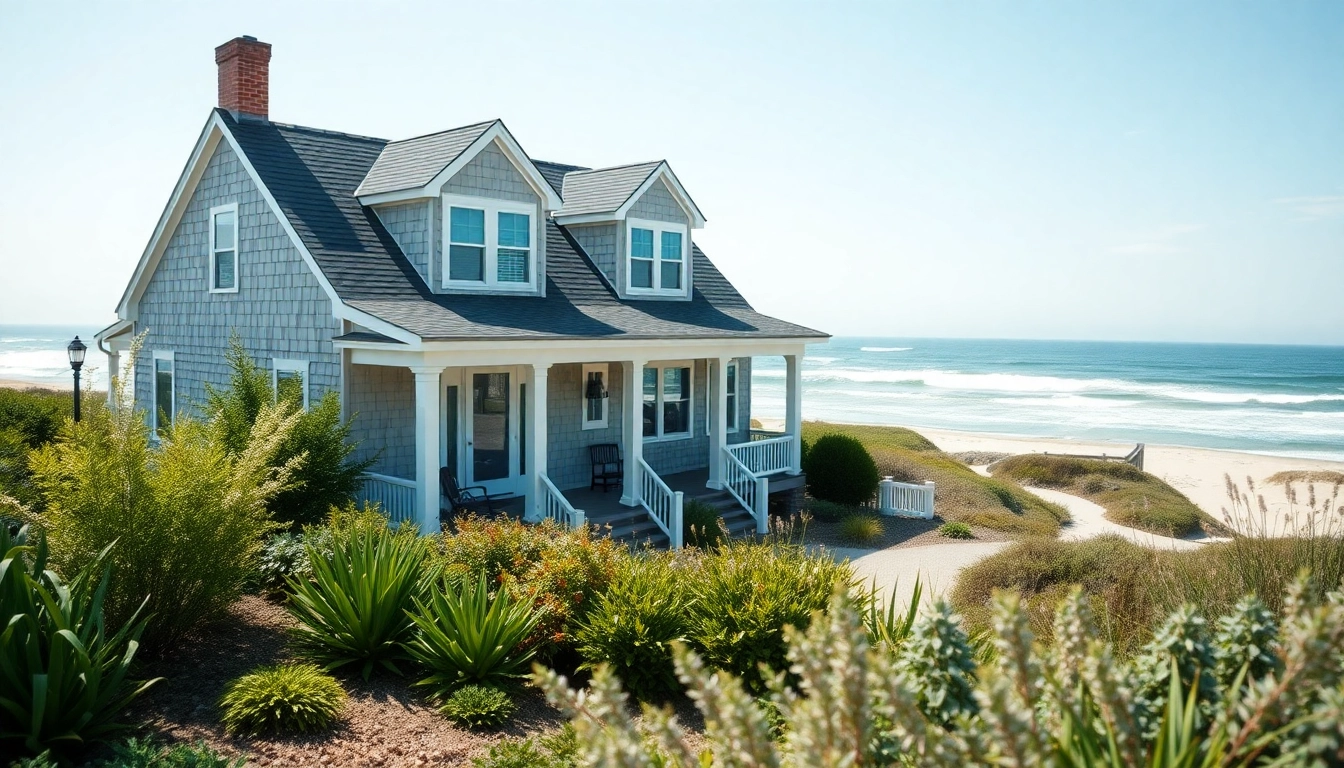
Understanding Cape Cod Homes
The charm and uniqueness of cape cod homes have captured the hearts of many homeowners and design enthusiasts. Their design often reflects the coastal heritage of New England, bringing a sense of history and charm to modern living.
History and Architectural Features
The Cape Cod home is rooted in the early colonial architecture of New England. Originating in the 17th century, these homes were constructed to withstand the harsh coastal weather. Their design features a steeply pitched roof, dormer windows, and minimal overhangs, all of which contribute to both durability and aesthetic appeal. The materials, typically wood siding and shingles, were chosen for their availability and resilience. These homes often have a symmetrical facade, lending them a distinct and classic look.
Common Styles and Varieties
Within the Cape Cod architectural genre, several styles have emerged over the years. Traditional Cape Cod houses exhibit a quaint, nostalgic feel, while modern adaptations have incorporated contemporary elements like open floor plans and larger windows. Variants such as the “Cape Cod Revival” have introduced features such as expansive porches and glass walls, blending traditional aesthetics with modern needs.
Geographical Influence on Design
The geographical setting of Cape Cod heavily influences its architectural style. Homes are designed to blend seamlessly with the coastal landscape, utilizing local materials and styles that reflect the environment. The choices made in architectural design are not only about aesthetics but also about ensuring endurance against seasonal storms, flooding, and other elements typical of coastal living.
Essential Design Elements
Roof Styles and Materials
The roof is a defining characteristic of Cape Cod homes. Typically steeply pitched, roofs are designed to efficiently shed rain and snow. Common materials include cedar shingles that weather beautifully over time and metal roofing for enhanced durability. The choice of roofing material is critical not only aesthetically but also functionally, as it must withstand the coastal elements.
Window Designs and Their Importance
Windows are a crucial aspect of Cape Cod architecture. They are often large and symmetrically placed, allowing natural light to flood indoor spaces. Traditional designs incorporate multi-paned window configurations that add character to the home. Modern adaptations might feature large glass panels that invite the outside in, emphasizing the stunning coastal views typical of the region.
Exterior Finishing and Color Schemes
Exterior finishes play a significant role in the overall aesthetic of Cape Cod homes. Traditional homes often showcase wood siding painted in muted tones such as soft blues, grays, and whites, reflecting the nautical surroundings. In contrast, modern homes might use a mix of materials, such as stone and metal, to create a striking visual impact while maintaining the charming coastal feel.
Planning Your Cape Cod Home Expansion
Assessing Space and Requirements
Whether you’re considering an attached garage or additional living space, assessing your current home layout is vital. Start by analyzing which areas require expansion and how much additional space you’ll need. Consider future needs, such as family growth or accommodating guests, to ensure that your expansion is not only functional but also aligns with your lifestyle.
Incorporating Sustainable Practices
Sustainability is a key concern in modern home design. When expanding a Cape Cod home, consider implementing sustainable practices such as energy-efficient windows, solar panels, and eco-friendly building materials. Designing with sustainability in mind not only reduces your environmental impact but can also enhance the overall value of your home.
Choosing the Right Materials
Material selection is crucial in maintaining the integrity and aesthetic appeal of a Cape Cod home. Traditional materials like wood and shingles are practical and visually appealing, while modern materials can enhance durability and efficiency. It’s important to choose materials that harmonize with the existing structure, ensuring a seamless transition while upholding the classic charm of Cape Cod homes.
Maximizing Functionality and Aesthetics
Smart Layout for Modern Living
A modern layout focuses on open-concept spaces that promote togetherness while also providing individual privacy when needed. Consider reimagining your living areas to create a more functional flow that accommodates both day-to-day living and entertaining. Utilize multifunctional spaces where possible to maximize utility without sacrificing aesthetic appeal.
Outdoor Spaces and Integrations
Outdoor spaces greatly enhance the enjoyment of Cape Cod homes. Integrating outdoor areas such as patios, decks, or gardens can extend living space and create a harmonious connection between the indoors and outdoors. Consider landscaping that complements the natural environment, using native plants that require less maintenance and align with the coastal setting.
Important Accessibility Considerations
When planning an expansion, it’s crucial to ensure the home remains accessible for all residents and visitors. This may involve implementing features like ramps or wider doorways. Designing for accessibility ensures comfortable living for everyone, regardless of mobility levels, and increases the overall value of your home.
Common Challenges and Solutions
Adapting to Local Regulations
Navigating local zoning laws and building codes can pose challenges when planning for home expansion. It’s essential to consult with local authorities and possibly hire professionals to ensure compliance with regulations, avoiding delays and additional costs. Researching beforehand can help you stay informed and prepared.
Maintaining Historical Integrity
One of the significant challenges in expanding Cape Cod homes is preserving the historical integrity of the structure. When planning renovations or expansions, consider designs that echo the original style. Use similar materials and methods, ensuring that the new work seamlessly integrates with the old while respecting the home’s heritage.
Managing Budget and Resources
Budget management is crucial throughout the home expansion process. Set a realistic budget that factors in potential unexpected expenses. Work with contractors who offer transparent pricing and stick to your design plans as closely as possible to avoid unnecessary costs. Planning ahead and remaining flexible will help ensure your project stays within budget.
Frequently Asked Questions
What defines a Cape Cod home?
A Cape Cod home often features a steep roof, symmetrical appearance, and dormer windows, designed for coastal climates.
Can Cape Cod homes be modernized?
Yes, many Cape Cod homes undergo renovations that blend traditional elements with modern features, enhancing functionality.
What are common materials used in Cape Cod home construction?
Typical materials include wood siding, shingles, and natural stone, allowing both durability and seasonal aesthetics.
How can I make my Cape Cod home energy-efficient?
Consider upgrading insulation, using energy-efficient windows, and incorporating smart home technology for optimization.
Is landscaping important for Cape Cod homes?
Absolutely! Thoughtful landscaping enhances curb appeal and creates a harmonious connection with the natural coastal environment.